
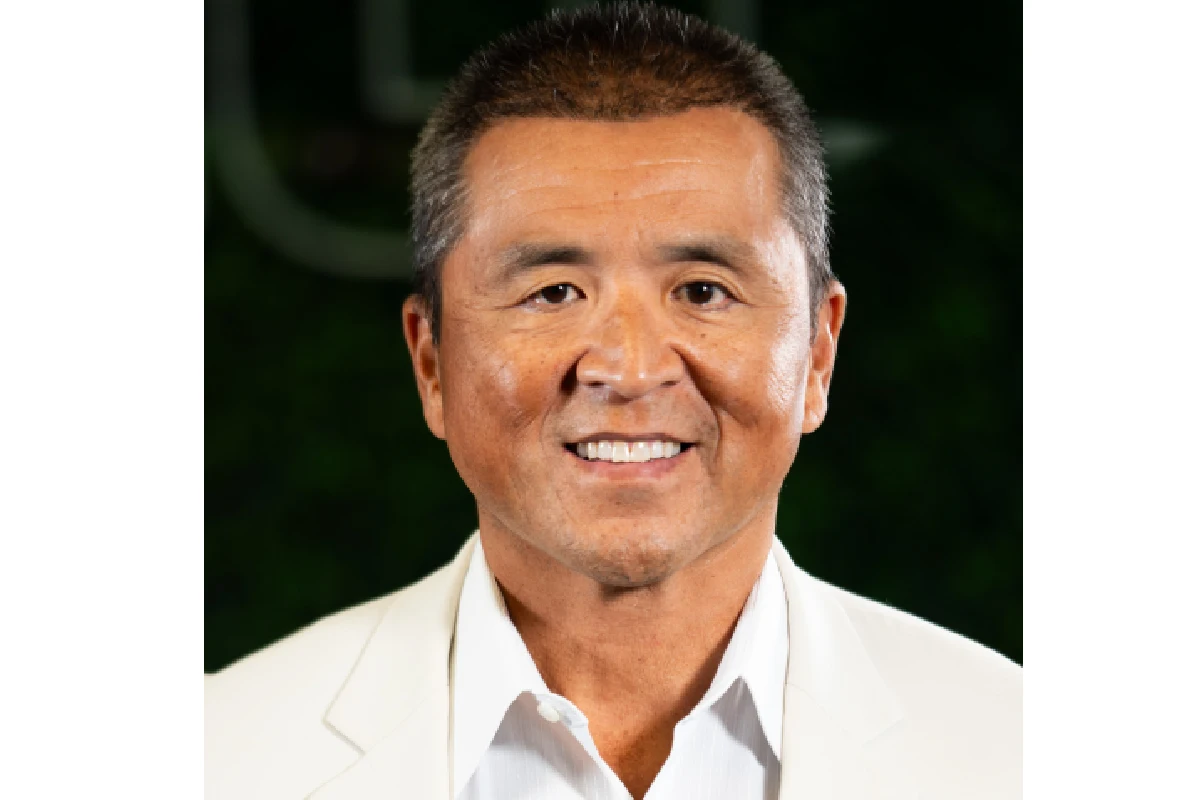
Dr. Tommy Rhee Believes the Future of Medicine Isn’t About Doing More – Medicine has always evolved through breakthroughs. Antibiotics changed the way doctors treated infections. Minimally invasive surgery transformed patient recovery. Precision medicine is reshaping how diseases are diagnosed and managed.
Now, according to Dr. Tommy Rhee, the next major shift won’t necessarily come from doing more to the body—it will come from understanding how to help the body do more for itself.
As a sports chiropractor, U.S. Navy veteran, TEDx speaker, inventor, biotech founder, and author of The Future of Regenerative Medicine, Dr. Rhee has spent much of his career asking one simple question: how can recovery become safer, less invasive, and more accessible?
“I’ve never been interested in innovation simply because it’s new,” Dr. Rhee says. “Innovation has to make healthcare better for patients. If it doesn’t improve outcomes or make treatment more accessible, then we’re missing the point.”
Table of Contents
It’s a philosophy that has shaped every chapter of his career.
Long before he became immersed in regenerative medicine, Dr. Rhee was working with athletes whose livelihoods depended on recovering quickly and safely. Whether treating collegiate competitors at UCLA or later serving as the team chiropractor for the Tampa Bay Buccaneers, he saw firsthand how small improvements in recovery could have life-changing consequences.
“When someone depends on their body for a living, you start looking at recovery very differently,” he says. “You’re not just treating pain. You’re trying to restore confidence, movement, and function as efficiently as possible.”
Those experiences eventually changed the questions he was asking.
Rather than focusing solely on repairing injuries after they occurred, Dr. Rhee became increasingly interested in the biological processes that govern healing itself.
“What fascinated me wasn’t just whether someone recovered,” he explains. “It was why they recovered. What signals the body to repair tissue? How can we better support those natural processes? Those questions became impossible to ignore.”
That curiosity ultimately led him into regenerative medicine, a field that has grown rapidly over the past decade as researchers explore ways to encourage the body’s own repair mechanisms.
For Dr. Rhee, however, the future of regenerative medicine isn’t simply about developing more sophisticated treatments. It’s about making those treatments practical.
“Healthcare innovations often start in specialised centres,” he says. “The real challenge is figuring out how to bring those advances into everyday clinical practice so more people can benefit.”
Accessibility, he believes, is often overlooked when discussing medical innovation.
“It’s exciting when we develop breakthrough therapies,” he says. “But if they’re too expensive, too invasive, or too difficult to deliver, they’ll only ever help a small percentage of patients.”
That belief has influenced his work developing topical regenerative technologies that explore biological activation and signalling pathways through non-invasive delivery methods.
Although the science continues to evolve, Dr. Rhee believes the broader movement toward less invasive medicine is one of healthcare’s most significant trends.
“Patients today are asking different questions,” he says. “They’re asking whether there are ways to support healing without surgery, without injections, and without long recovery periods. That’s driving innovation across healthcare.”
It’s a trend he expects will continue well beyond regenerative medicine.
“The future isn’t necessarily about replacing existing treatments,” he explains. “It’s about giving physicians more tools so care can be personalised to each individual patient.”
Despite his growing reputation as an inventor and biotech entrepreneur, Dr. Rhee remains grounded in his role as a clinician.
“My greatest teachers have always been my patients,” he says. “Research is essential, but every day in practice reminds you that healthcare is ultimately about people, not technology.”
That perspective also influenced his decision to write The Future of Regenerative Medicine.
“There was so much conversation happening around regenerative medicine, but not always enough understanding,” he says. “I wanted to explain the science in a way that was balanced, accessible, and rooted in evidence.”
Education, he believes, will play an increasingly important role as biotechnology advances.
“The pace of innovation is accelerating,” he says. “Patients are hearing about new treatments almost every week. Clinicians have a responsibility to help separate scientific progress from unrealistic expectations.”
His ability to communicate complex ideas clearly has made him a sought-after speaker, including delivering a TEDx presentation and appearing on leading health and wellness platforms.
But while public speaking allows him to reach larger audiences, his motivation remains remarkably consistent.
“I’ve always believed that knowledge should empower people,” he says. “Whether I’m talking to one patient or a thousand people in an audience, the goal is the same—help people understand their options.”
Looking ahead, Dr. Rhee believes healthcare will become increasingly integrated, bringing together biotechnology, digital health, precision medicine, and regenerative science in ways that seemed unimaginable just a decade ago.
He also believes clinicians will need to embrace lifelong learning.
“The science isn’t standing still,” he says. “As healthcare professionals, we can’t stand still either. The best clinicians are the ones who remain curious.”
That curiosity continues to fuel his own work today.
Even after years of treating elite athletes, developing new technologies, and authoring a book on regenerative medicine, Dr. Rhee still approaches each day with the same mindset that first drew him into healthcare.
“I still ask myself the same question,” he says. “‘How can we help this patient recover better?’ Everything else grows from there.”
In an era where medicine is advancing at remarkable speed, Dr. Tommy Rhee believes the greatest breakthroughs won’t simply come from creating new technologies. They’ll come from using science more thoughtfully, making innovation more accessible, and never losing sight of the person behind every treatment.
For him, that’s what the future of healthcare should look like—not just more advanced, but more human.
Dr. Rhee is the Leading Expert of Regenerative Medicine as well as a Navy aviator, TEDx Speaker, inventor, and biotech founder developing next generation topical regenerative. As Founder and CEO of RheeGen®, he is pioneering a topical regenerative platform designed to support tissue recovery through biological activation and targeted signaling pathways. He is also the author of The Future of Regenerative Medicine, where he explores how emerging biotechnology is transforming healthcare through non‑invasive signaling approaches.

Khizrana Begum is a health and wellness writer covering nutrition, fitness, healthy lifestyle, preventive health, mental wellness and everyday health topics.

Sameena Begum reviews health, fitness and wellness content for clarity, readability, consistency, factual presentation and reader usefulness.
Dr. Syed Imtiaz is an MBBS and MD qualified medical professional with 5+ years of experience in general medicine, dermatology, preventive healthcare and skin health.