
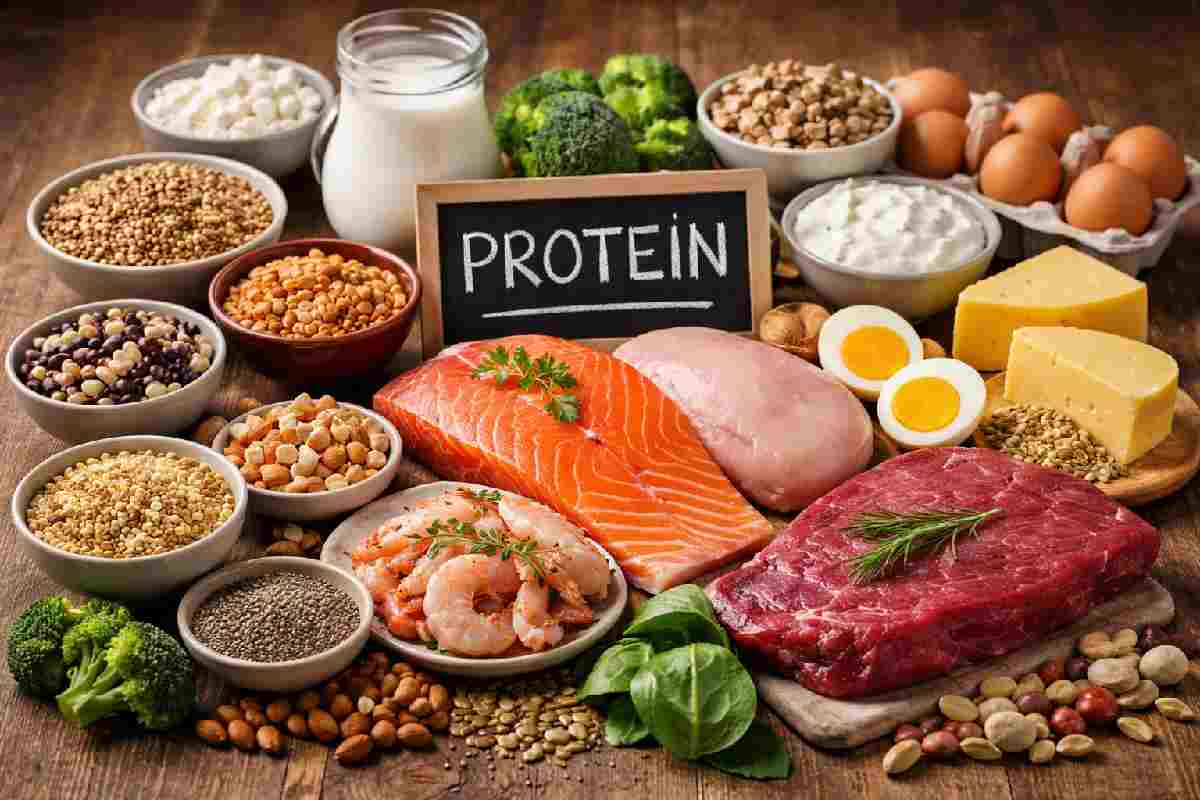
Protein food is very vital in the total health, muscle development, immunity and controlling weight.
You are either a sports person, a fitness guru, or a vegetarian or just trying to eat healthier and knowing about which foods are rich in protein can help you to make a balanced and healthy diet.
This comprehensive guide explains what protein food is, why it is beneficial, the types, sources and how much one needs daily and lists the best protein foods and puts this in a table that can be easily referred.
Table of Contents
What Is Protein Food?
Protein food belongs to one of the categories of food because it is rich in protein and they are one of the three macronutrients that are required [Protein, carbohydrates, and fats]. Proteins consist of the compound of the amino acids that are the basic ingredients of the muscles, tissues, enzymes, hormones and the immune cells.
The number of amino acids is 20 and 9 amino acids are essential i.e. the body can not synthesize those amino acids and they need to be provided in the food.
Protein and its worthiness in human body.
Protein plays a critical role in almost all the biological processes. It is essential in all ages of life, whether it is repairing damaged tissues, or in enzyme production.
Key Functions of Protein
- Helps to develop and maintain muscles and tissues.
- Helps in the functioning of the immune system.
- Assistance in hormone and enzyme production.
- Has healthy skin, hair and nails.
- Supports bone health
- Gives long-term vitality.
- Helps regulate metabolism
How Much Protein Do You Need Daily?
Protein requirements vary based on age, gender, activity level, and health goals.
Recommended Daily Protein Intake
| Person Type | Protein Requirement |
|---|---|
| Average adult | 0.8 g per kg of body weight |
| Active individual | 1.0–1.2 g per kg |
| Athletes | 1.2–2.0 g per kg |
| Older adults | 1.0–1.2 g per kg |
| Weight loss | 1.2–1.6 g per kg |
Best Protein Foods (Table Format)
Below is a comprehensive table of high-protein foods with their approximate protein content per 100 grams.
| Protein Food | Type | Protein (per 100g) | Additional Benefits |
|---|---|---|---|
| Chicken Breast | Animal | 31 g | Lean, low fat |
| Eggs | Animal | 13 g | Complete protein, rich in vitamins |
| Fish (Salmon) | Animal | 25 g | Omega-3 fatty acids |
| Milk | Animal | 3.4 g | Calcium and vitamin D |
| Greek Yogurt | Animal | 10 g | Probiotics, gut health |
| Paneer (Cottage Cheese) | Dairy | 18 g | Calcium-rich |
| Lentils (Dal) | Plant | 9 g | High fiber |
| Chickpeas | Plant | 19 g | Supports digestion |
| Kidney Beans | Plant | 24 g | Heart-friendly |
| Soybeans | Plant | 36 g | Complete plant protein |
| Tofu | Plant | 8 g | Vegan-friendly |
| Tempeh | Plant | 19 g | Fermented, gut health |
| Almonds | Plant | 21 g | Healthy fats |
| Peanuts | Plant | 26 g | Energy-boosting |
| Pumpkin Seeds | Plant | 30 g | Rich in zinc |
| Quinoa | Plant | 14 g | Complete protein grain |
| Oats | Plant | 13 g | Sustained energy |
Food High in Protein
Another important nutrient is protein and it plays an important role in the development of the muscles, repairing of the tissues, supporting the immunity and maintaining the health condition of an individual. The consumption of high protein foods is one of the methods of remaining stronger, weight control and longer fullness.
Animal sources of protein are complete sources of protein since it is known to contain all the essential amino acids. The most preferred ones include eggs, chicken, fish, lean beef, turkey, and the dairy, including milk, Greek yogurt, paneer and cheese. Eggs especially are very cheap and flexible and therefore, they are widely used as a source of protein globally.
Plant-based protein food should be the substitutes of vegetarians and vegans. Lentils, Chickpeas, Kidney beans, black beans, soybeans and tempeh have extremely high levels of protein along with fiber and antioxidants. The healthy fats and protein can also be found in the nuts and seeds such as almonds, peanuts, chia seeds, flaxseeds and pumpkin seeds.
Whole grains included quinoa, oats and brown rice contain moderate protein content and balanced meals made by combining them with legumes. Protein sources Protein is a very fast food with protein sources such as protein powers, protein bars and nut butter.
High-protein foods can be included in your diet and will help build people and increase metabolism and long-term health along with regular sports activities and proper nutrition.
Advantages of Consuming High-Protein Food.
1. Enhances Muscle Strength and Muscle Growth.
Protein food is necessary in the repair and growth of muscles particularly after an exercise or physical activity.
2. Helps in Weight Management
High protein foods are satiating and lessen hunger and lower caloric content hence they are the best in weight loss and weight management.
3. Boosts Metabolism
Protein is a more thermic nutrient than carbs and fats, and this implies that the body requires more calories to digest protein.
4. Improves Bone Health
Protein richness maintains bone density and minimizes the chances of fracture particularly among the elderly.
5. Enhances Immune Function
Immunes and the immune cells base on protein to combat diseases and infections.
6. Has Healthy Nails, Hair, and Skin.
Protein will aid in the production of collagen and Keratin to increase the skin elasticity and the hair strength.
Types of Protein Foods
Protein food may be classified according to the source and quality and the food.
1. Animal-Based Protein Foods
These are composed of all essential amino acids, and are said to be complete proteins.
Examples:
- Eggs
- Chicken
- Fish
- Milk
- Yogurt
- Cheese
- Lean meat
2. Plant-Based Protein Foods
The majority of plant proteins contain partial proteins, whereas the mixture of the sources gives all the essential amino acids.
Examples:
- Lentils
- Beans
- Chickpeas
- Tofu
- Nuts
- Seeds
- Whole grains
3. Whole vs Half-Baked Proteins.
Protein Type Description
Complete Protein Essential amino acids are present.
Missing Protein One or more essential amino acids
How much protein do you require on a daily basis?
Vegetarian Protein Food.
The proper combination of foods can provide vegetarians with enough protein.
Best Veggie Foods, Proteins.
- Lentils and pulses
- Soy products (soy milk, tempeh, tofu)
- Paneer and dairy products
- Nuts and seeds
- Entire grains such as quinoa and oats.
Smart Protein Combinations
- Rice + lentils
- Whole wheat bread + peanut butter.
- Chickpeas + quinoa
The combinations contain full profiles of amino acids.
Protein Food for Weight Loss
Protein foods contain high levels of protein that inhibit cravings and retain lean muscle tissue when there is a calorie restriction.
Top 10 Protein-Rich Foods to Lose Weight.
- Egg whites
- Grilled chicken breast
- Fish
- Low-fat yogurt
- Lentils and beans
- Tofu and soy products
Protein and its benefits in weight loss.
Keeps you full longer
- Reduces snacking
- Maintains muscle mass in the process of fat loss.
- Improves metabolic rate
Muscle Building Protein Food.
Protein should be consumed in equal amounts within a day to gain muscle.
The Best Protein Foods to Build Muscle.
- Eggs
- Chicken and turkey
- Fish
- Milk and paneer
- Soybeans and tofu
- Snacks that contain plenty of proteins such as nuts.
Protein Food in childhood and old age.
For Children
Protein promotes growth, brain growth and immunity.
Healthy options:
- Milk
- Eggs
- Yogurt
- Lentils
- Peanut butter
For Elderly
Protein will also keep the muscles intact and bone healthy.
Recommended foods:
- Soft paneer
- Yogurt
- Fish
- Cooked legumes
- Milk-based foods
Signs of Protein Deficiency
Deficiency in sufficient protein food may result in:
- Muscle weakness
- Fatigue
- Hair fall
- Brittle nails
- Poor immunity
- Slow wound healing
- Edema (swelling)
Is It true that Excessive Protein is Poisonous?
Although protein is necessary, overconsumption can lead to problems in a number of people.
Possible Risks
- Digestive discomfort
- Toxic strain on the kidneys (in individuals with kidney disease)
- Dehydration
- Nutrient imbalance
It is important that there be moderation and balance.
Clues on how to add more protein food to your diet.
- Add protein to every meal
- Choose high-protein snacks
- substitute the refined carbs with legumes.
- Take dairy or soy every day.
- Combine animal and vegetable sources of protein.
- Plan meals in advance
Protein Food Myths and Facts
| Myth | Fact |
|---|---|
| Protein is only for bodybuilders | Everyone needs protein |
| Plant protein is inferior | Plant protein is healthy and effective |
| High protein harms kidneys | Safe for healthy individuals |
| Eggs increase cholesterol | Eggs are safe in moderation |
Conclusion
Protein food is an extremely significant ingredient of a healthy and balanced diet. No matter whether you need to lose weight, build muscle, boost your immunity, or just feel healthy, the use of the correct protein foods can be of much good in boosting your health.
By picking a variety of foods containing animal and plant proteins, proper ratio and distribution of food portions throughout the day, you will be able to easily and securely meet your protein need on a daily basis.
Also Read: Inhealthfitness.com