
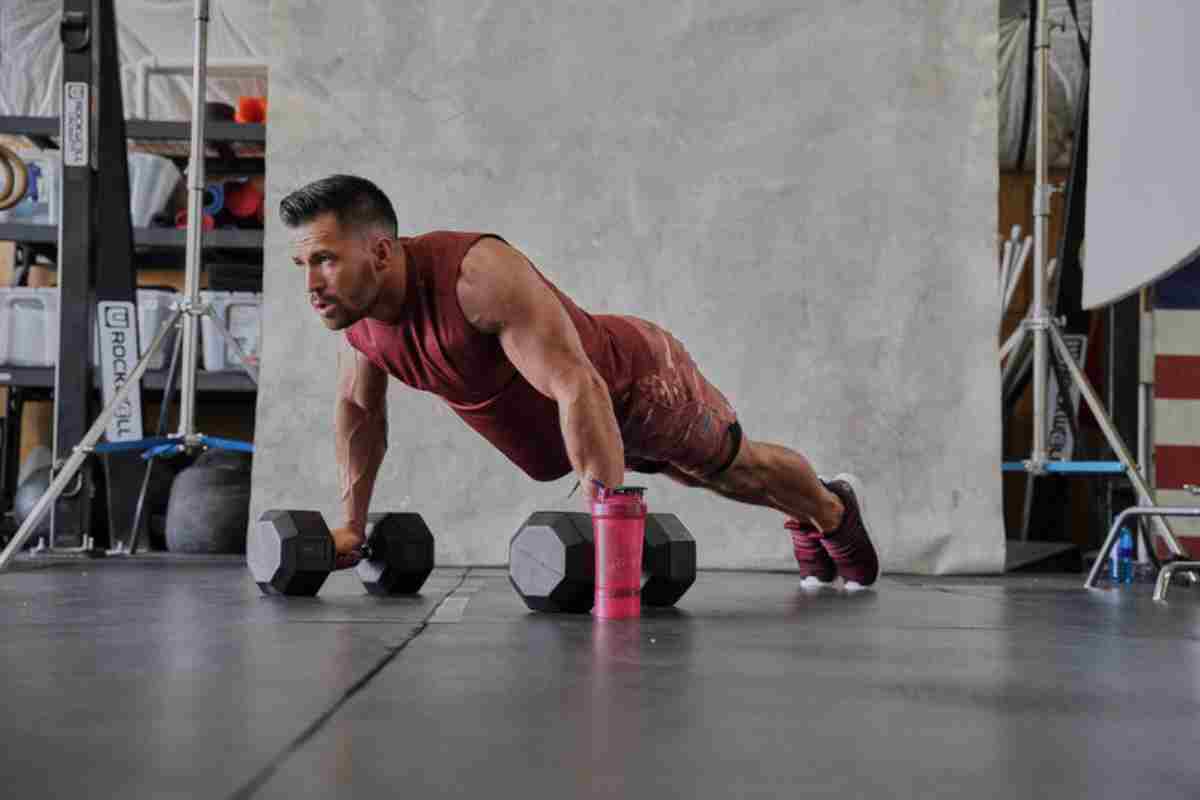
The active lifestyle means that you make this physical movement routine part of your daily practice. It does not entail the necessity of physical exercises and time spent in the gym. Instead, it is about ensuring that you are physically moving about throughout the day in a manner that is healthy to your body, mind and well being.
It can be walking, stretching, sports, dancing, gardening or even use of stairs instead of other elevators all of which help in active lifestyle.
The health and well-being of the future have never been so dependent on the choice of active living in the times of busy and screen-obsessed lives like it is now.
Table of Contents
Active Lifestyle: What does this mean?
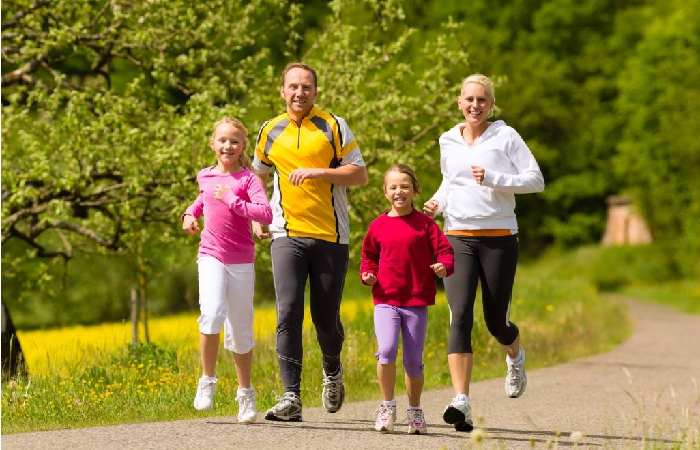
An active lifestyle refers to consistency. It is a combination of exercising and daily activity. Although running, swimming, yoga, or body work are scheduled exercises, unplanned exercises, as walking to work, taking care of the house, or playing with children, are also valued.
Definition and Concept
| Aspect | Research-Based Explanation |
| Meaning | An active lifestyle refers to incorporating regular physical movement into daily life to improve physical, mental, and metabolic health. |
| Core principle | Consistent movement across work, leisure, and home activities rather than only structured exercise. |
| Scientific basis | Regular activity supports cardiovascular function, muscle strength, metabolic balance, and mental well-being. |
| Public health view | Recognized by WHO as a key factor in preventing non-communicable diseases. |
The important features of an active lifestyle are:
- The frequent physical activity throughout the day.
- Less screen time (less sitting and less time in front of the screen)
- Mobile, flexible, and powerful orientation.
- Taking pleasure in movement as opposed to doing it as a burden.
- The idea is to make your body do natural and sustainable moves.
Lifestyle stability Maintenance.
It is because you must create daily practices, which will be used to assist you both physically, mentally, emotionally and strategically. Be not taxing, narrow-minded.
Try to be consistent and mindful. If you take care of your lifestyle, there will be less stress, productive performance as well as resilience to changes.
A common course of lifestyle maintenance is balance of routine behaviour. Routine helps your body and brain to be in tune daily. Having a routine every day that includes sleep, meals, work and rest will assist you in resting, digestion and concentration.. Mitigating burnout requires an equally important measure to flexibility.
Maintaining one’s physical health is at the centre of stability. When you move, even light movement like walking or stretching, your energy levels stay sustained. Water consumption and nutrients keep the engine running; sleep is your body’s recovery and emotions regulator.
Take digital short breaks or journal or be mindful in order to cope with stress. Emotional support is offered through good social relationships with the family or friends or the colleague at work and this makes one gain the strength to overcome loneliness. Boundaries also prevent mental overload that exists between work and personal life.
The self-reflection and goals will eventually become stable in the long run. It is a good idea to review your own goals, money and habits and see whether you are on track or not.
Minimal design modifications in the initial stages reduce the overall project breakdown in later stages.
Creating Lifestyles That Stick Can’t Be Done Overnight Takes Daily Thoughtful Care
| Area of Life | Maintenance Activity | Frequency | Benefits |
| Physical Health | Exercise, balanced meals, hydration | Daily | Energy, strength, disease prevention |
| Mental Health | Mindfulness, breaks, stress management | Daily | Focus, emotional balance |
| Sleep | Fixed sleep–wake schedule | Daily | Better mood, productivity |
| Work–Life Balance | Time boundaries, rest days | Weekly | Reduced burnout |
| Social Life | Meaningful interactions | Weekly | Emotional support |
| Personal Growth | Goal review, learning | Monthly | Motivation, stability |
Significance of an Active Lifestyle in the Contemporary Life.
The new ways of life in the modern society are characterized by a lot of sitting, at workstations, in vehicles or in front of televisions. This sedentary lifestyles are associated with a number of health complications such as obesity, heart disease, diabetes and poor mental health. Physical activities serve to reverse these dangers since it keeps the body active and on the go.
Stretching is also useful in the circulation of blood, enhancing metabolism, making the muscles and the activities of organs stronger. Along with the physical advantages it brings, it enhances mental alertness, emotional stability, and energy which makes life in everyday life a bit more productive and enjoyable.
Significance of an Active Lifestyle in Contemporary Life
| Aspect | Significance | Impact on Daily Life |
| Physical Health | Improves strength, flexibility, and endurance | Reduces fatigue and body pain |
| Mental Well-Being | Lowers stress, anxiety, and depression | Improves mood and focus |
| Disease Prevention | Reduces risk of diabetes, heart disease | Supports long-term health |
| Posture & Mobility | Counteracts prolonged sitting | Prevents stiffness and back pain |
| Weight Management | Helps maintain healthy body weight | Improves confidence |
| Work Productivity | Increases energy levels | Enhances efficiency at work |
| Sleep Quality | Regulates sleep cycles | Promotes restful sleep |
| Aging Gracefully | Maintains muscle and bone strength | Preserves independence |
| Injury Prevention | Strengthens muscles and joints | Lowers risk of injuries |
| Social Engagement | Encourages group activities | Improves social connection |
Physical Health-related Advantages of an Active Lifestyle.
Better Heart Health.
Working out will strengthen the heart and improve the circulation of blood. Strenuous physical activities, bicycling, swimming or dancing may help lower blood pressure and improve the quality of cholesterol and lower the risk of heart disease and stroke.
Better Weight Management
Exercise can also be applied in calorie burning and healthy body weight. Unanimously, balanced diet and regular exercise aids in the prevention of weight gain and sustaining weight loss by enhancing efficacy in metabolism.
Stronger Muscles and Bones
The muscles and the bones get stronger due to resistance and weight-bearing activities. This reduces the risks of getting osteoporosis, fractures and muscle depletion that comes with old age especially during old age.
Enhanced Immunity
Moderate and regular exercise raises the immune system. It enhances the body to act as a better fighter in case of an infection as well as reduction of inflammation making you healthier through the year.
Health Benefits of an Active Lifestyle
| Benefit Area | Research Findings |
| Cardiovascular health | Lowers blood pressure and improves circulation |
| Metabolic health | Reduces risk of diabetes and obesity |
| Mental health | Decreases stress, anxiety, and depression |
| Musculoskeletal health | Improves strength, posture, and bone density |
| Immune function | Enhances immune response |
Mental and Emotional Health Benefits of Physical Workout.
Lowers Anxiety and Stress
Exercise helps the body to release endorphins also known as feel-good hormones. These drugs are used to relieve stress, anxiety and depression symptoms and make the mood more positive.
Better Sleep Quality
The sleeping habit is improved with the help of a healthy lifestyle since the circadian rhythms are regulated. The energetic also sleep better and wake up having had a good sleep.
Greater Attention and Intelligence.
Exercise enhances the manner in which blood reaches the brain making them more concentrated, recollect and problem solving. This comes in handy especially among students, professionals and older persons.
Mental and Emotional advantages
| Aspect | Impact |
| Stress management | Physical activity lowers cortisol levels |
| Mood regulation | Increases endorphin release |
| Cognitive function | Improves memory and focus |
| Sleep quality | Promotes deeper and longer sleep |
The continuous activity tends to provide socialisation. Group sports, group workouts, walking groups, yoga or outdoor activities can assist in friendship building and creating connections. Serious social interaction enhances emotional wellness and promotes permanence because physical exercise is more enjoyable.
Family ties can be tightened by living an active life. Togetherness activities such as evening walks, cycling, hiking, or outdoor games are healthy and would enhance time spent together.
Activities that promote an active lifestyle.
Aerobic Activities
Such exercises augment the heart rate and enhance stamina. Examples include:
- Walking or jogging
- Cycling
- Swimming
- Dancing
- Skipping rope
- Resistance Activities and Strength.
- These assist in the development of muscle and bone strength:
- Muscle exercises (push-ups, squats)
- Weight training
- Resistance band workouts
- Activities of Flexibility and Mobility.
These preserve the health of joints and help to avoid injuries:
- Stretching
- Yoga
- Pilates
Lifestyle-Based Activities
Everyday activities that make you active:
- House work, cleaning.
- Gardening
- Taking stairs
Exercising rather than commuting to short distances.
Activities That Promote an Active Lifestyle
| Activity Type | Examples | Key Benefits |
| Aerobic Activities | Walking, jogging, cycling | Improves heart health and stamina |
| Strength Training | Bodyweight exercises, resistance bands | Builds muscle and bone strength |
| Flexibility Exercises | Stretching, yoga | Improves mobility and posture |
| Balance Activities | Tai chi, single-leg stands | Reduces risk of falls |
| Recreational Sports | Badminton, football, swimming | Enhances coordination and fitness |
| Daily Movement | Taking stairs, active commuting | Reduces sedentary behavior |
| Household Activities | Cleaning, gardening | Increases daily physical activity |
| Mind-Body Activities | Pilates, breathing exercises | Improves body awareness |
| Group Activities | Dance classes, fitness groups | Boosts motivation and consistency |
| Outdoor Activities | Hiking, brisk walking | Supports mental well-being |
Active Lifestyle in country wise
| Country | High Physical Activity (% of adults) | Notes |
| New Zealand | ~63.1% high activity | One of the highest shares of adults reporting high physical activity. |
| Canada | ~59.6% high activity | Very high proportion of adults active. |
| USA | ~62.0% high activity | Strong high activity prevalence (older data; still indicative). |
| Australia | ~58.6% high activity | Many adults achieve high activity levels. |
| China | ~57.7% high activity | High proportion meeting activity threshold. |
| Czech Republic | ~62.9% high activity | Among the top in the prevalence study. |
| Lithuania | ~52.1% high activity | More than half active. |
| Argentina | ~38.0% high activity | Lower relative share compared with the top countries. |
| Brazil | ~24.6% high activity | Many adults do not reach high activity levels. |
| Japan | ~21.2% high activity | Relatively smaller share reported high activity. |
| Taiwan | ~24.8% high activity | Fewer adults met high activity threshold. |
| European (Sweden) | ~78% recreational participation | Sweden’s adult population has one of the highest activity participation rates. |
| European (Norway) | ~83.9% recreational participation | Very high share active recreationally. |
| European (Finland) | ~77.5% recreational participation | Strong overall activity involvement. |
| Singapore (ranked fittest) | Leading global fitness ranking | Singapore ranks highest in overall fitness measures. |
| India | Moderate activity (~37.9% high activity) | Many do not reach high activity threshold; access barriers noted. |
The Step-by-Step Guide to an Active Lifestyle.
Small Buy Big and Consist.
You do not have to make a total change of your routine. Start with 10 to 15 minutes of movement a day and build on the duration and intensity. Some consistency is better than hard core.
Choose Activities You Enjoy
The pleasure in sustainability is important. Whether dancing, swimming, going out in the nature or playing a sport, then always select those things that are entertaining and not coercive to you.
Set Realistic Goals
Specific, attainable objectives assist in keeping one motivated. For example:
- Walking 7,000–10,000 steps daily
- Exercising 4–5 days a week
- Warming up to 10 minutes in the morning.
- Reduce Sedentary Time
Make short momentary rests in the process of sitting extensively. Get up, stand up or take a few minutes walk after every hour to maintain body activity.
Strategies to Maintain an Active Lifestyle
| Strategy | Practical Application |
| Daily walking | 7,000–10,000 steps |
| Active breaks | Short movement every hour |
| Home workouts | Flexible and accessible |
| Goal setting | Improves consistency |
| Social activities | Enhances motivation |
Physical activity among various age groups
Children and Teenagers
An active lifestyle helps to foster growth, coordination, and mental growth. Sports, cycling, outdoor play and school activities are useful in creating healthy habits at an early age.
Adults
Among the adults, physical activity enhances work performance, stress management, and their health in the long term. It is important to balance between work and family with exercise.
Older Adults
Balanced mobility and independent working are enhanced through regular physical activities. Light stretching, yoga, walking, and a bit of strength training will reduce the risk of falls and chronic disease.
Active Lifestyle Across Age Groups
| Age Group | Focus |
| Children | Play-based activity |
| Adults | Balanced exercise routine |
| Seniors | Strength, balance, flexibility |
| Pregnant individuals | Low-impact movement |
Ordinary Obstacles to Active Lifestyle and How to prevent them?
Lack of Time
Movement is an essential part of your lifestyle: a brisk stroll or active commute or exercises at your home can suffice.
Low Motivation
Install reminders or remind yourself by a friend to keep track or stay on track. Small wins build momentum.
Physical Limitations
Make things work to your comfort. Swimming is a good substitute of low-impact exercises.Roles of Nutrition in Active Lifestyle.
- Exercise is best accompanied by nutrition. A balanced diet contains energy, helps muscles to recover, and makes the performance better. Focus on:
- Whole grains to provide long term energy.
- Muscle repair proteins that are lean.
- Vitamin and mineral fruits and vegetables.
- Full hydration to aid movement and recovery.
Combinations of nutrition and activity are powerful in establishing health in the long run.
Barriers to an Active Lifestyle
| Barrier | Impact |
| Lack of time | Reduced activity levels |
| Sedentary jobs | Prolonged sitting |
| Low motivation | Inconsistent habits |
| Health limitations | Reduced mobility |
| Environmental factors | Lack of safe spaces |
The Effects of an Active Lifestyle in the long term.
Active lifestyle is an investment into your future. It lessens the danger of chronic illnesses, enhances mental health and elevates the quality of life in old age. More to the point, it encourages self-reliance, self-confidence, and strength.
With time, frequent movement is more of a habit and not an effort. This change results in improved physical activity, emotional stability, and an increased satisfactory life.
Conclusion
Active living is not about extreme fitness objectives or strict training programs, it is about doing more and less sitting and making physical exercise a routine. Exercising on a regular basis keeps your heart, brain, muscles and general health in shape. Regardless of what your age or fitness level is, little, frequent exercises can have life-altering outcomes of great power. Adopting an active lifestyle in the present day will be the first step to a healthier, happier and more energetic future.
Also Read: Inhealthfitness.com