
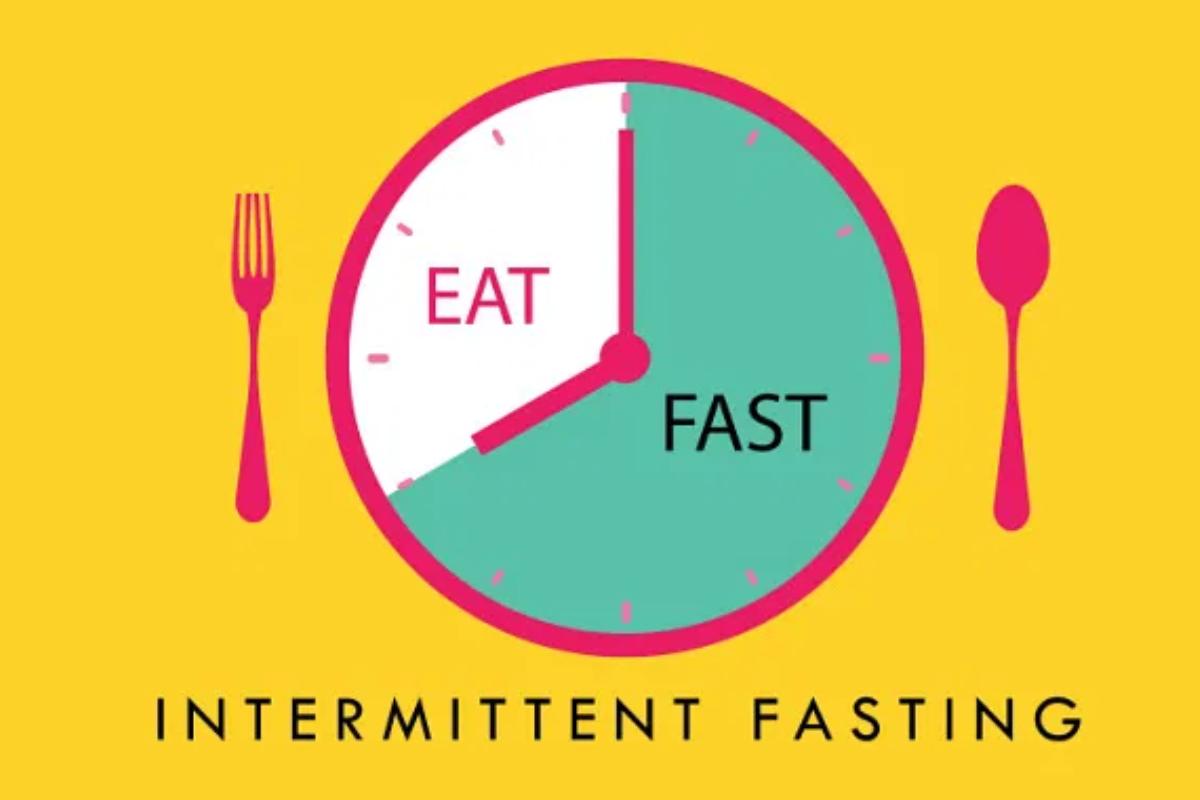
Intermittent fasting does not involve starvation, but it involves reduction of calories due to shortages. During fasting, it is possible to drink water and soft drinks such as black coffee or tea. The confidence is that your body becomes satisfied with lower portions while reducing hunger for unhealthy snack foods. That is, as long as you keep a healthy diet while trying it.
There are some practical approaches, but it all comes down to particular preferences. Be ready to figure out what works best for you If you want to try . Some people find it easy to fast for 16 hours and restrain meals to just eight hours of the day, similar to 9 am to 5 pm, while others have a hard time and need to dock their fasting window.
Table of Contents
Intermittent Fasting Schedule: A Simple Guide for Beginners
An intermittent fasting plan refers to a diet type that switches eating and starving periods. Rather than paying attention to what you eat, the latter lays stress on when you eat. Such a strategy has become popular because it is easy and has possible advantages in weight control, metabolism, and health.
What Is an Intermittent Fasting Diet?
Intermittent fasting plan breaks your day or week into eating and fasting periods. You cannot consume calories during the fasting periods, however, you can drink water, black coffee, and unsweetened tea. You eat balanced meals during the eating windows without having to over eat.
The intermittent fasting also fits into different lives because of the variety of schedules available.
The Way to Select the Most Appropriate Intermittent Fasting Schedule.
The decision on the appropriate intermittent fasting plan is influenced by the routine, the energy levels, and the goals. The beginners are to begin with a schedule of 12:12 or 14:10 and increase to 16:8. The most popular and sustainable is the 16:8 method in case you want to lose weight.
Individuals with hectic time schedules can use time-based dietary plans whereas those who like flexibility can use 5:2 diet.
Popular Intermittent Fasting Schedules (Table)
| Fasting Method | Fasting Window | Eating Window | Best For |
|---|---|---|---|
| 16:8 Method | 16 hours | 8 hours | Beginners & weight loss |
| 14:10 Method | 14 hours | 10 hours | New fasters |
| 12:12 Method | 12 hours | 12 hours | Easy lifestyle start |
| 5:2 Diet | 2 days fasting/week | 5 normal days | Flexible eaters |
| Eat-Stop-Eat | 24 hours | 1–2 times/week | Experienced fasters |
| OMAD | 23 hours | 1 hour | Advanced fasting |
Advisories of Adhering to an Intermittent Fasting Plan.
- Assists in the management of calories.
- Helps to lose weight and maintain a healthy metabolism.
- May enhance insulin sensitivity.
- Promotes the practice of healthy eating.
- Not complex to change in everyday life.
- Fitness and not perfection is essential in an intermittent fasting schedule.
How to be successful on an intermittent fast diet?
- Remain hydrated in the course of the fast.
- Consume nutrient-filled protein-based food.
- Eatings do not eat during eating windows.
- Adequate sleep in favor of hormones.
- Begin small and pay attention to your body.
An intermittent fasting program is a convenient and effective method of enhancing eating habits without rigid dieting. Intermittent fasting can be one of the healthy routines with the right plan and adherence to it.
How Does Intermittent Fasting Work?
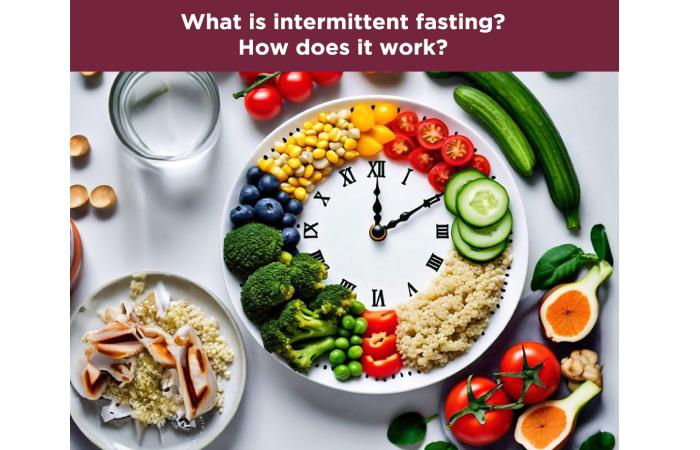
A type of sugar that circulates in your blood is known as glucose and is your major energy source in the body. Then you eat the normal diet, your body gets a constant infusion of sugar and the main one is carbohydrates. However, you end up burning up your stored sugar after hours of not eating. At that point, your body utilizes some stored fat as energy which is referred to as metabolic switching. This is the reason intermittent fasting would allow you to lose weight and body fat.
The Favorable Effects of Intermittent Fasting.
In humans, it has been found that intermittent fasting has certain vital health advantages which include:
Weight loss
- Reduced insulin resistance, a disease that leads to and exacerbates type 2 diabetes.
- Lower concentrations of unhealthy blood fats, including cholesterol and triglycerides, which predispose one to cardiovascular disease.
- Lower blood pressure
- More diseases, including Alzheimer, asthma, and many more, are associated with the improved management of inflammation.
You are also likely to discover that intermittent fasting possesses other benefits which include:
Ease:
No need to count calories or even carbs. You do not eat (or almost no) at hours and days.
Flexibility:
Intermittent fasting means that you determine what to eat. It is however better to choose healthy foods to consume during your non-fasting hours as you can defeat the purpose of the diet in case you choose highly processed foods. You can make work with food limitations, including whether or not you are a vegetarian or fruitarian. And you can consume the diet of your choice, either high or low-carb, or low in fat.
Savings: You are cutting down on the amount of food you are consuming per week, and therefore your grocery bills should be less.
Risks
Intermittent fasting is not safe for some people, including
- People who are pregnant or nursing.
- People who are glutted.
- People with low blood sugar.
- People with certain habitual conditions.
- Children.
People who menstruate, similar to pre-menopausal ladies, should be conservative as fasting can impact your hormones. still, you should not essay any fasting diet without medical supervision,” advises Zumpano,” If you have a history of an eating complaint or are presently being treated for one.” Intermittent fasting has also been known to increase the liability of binge eating or orthorexia in some people because of the limit.”
Conclusion
Limiting your eating schedule and at times, fasting can positively impact your health provided that you only eat healthy foods. It is an easy yet extremely efficient method of improving metabolic well-being and decreasing body fat. Nevertheless, it is possible to improve this process by consulting a professional nutritionist.
Also Read: Inhealthfitness.com