
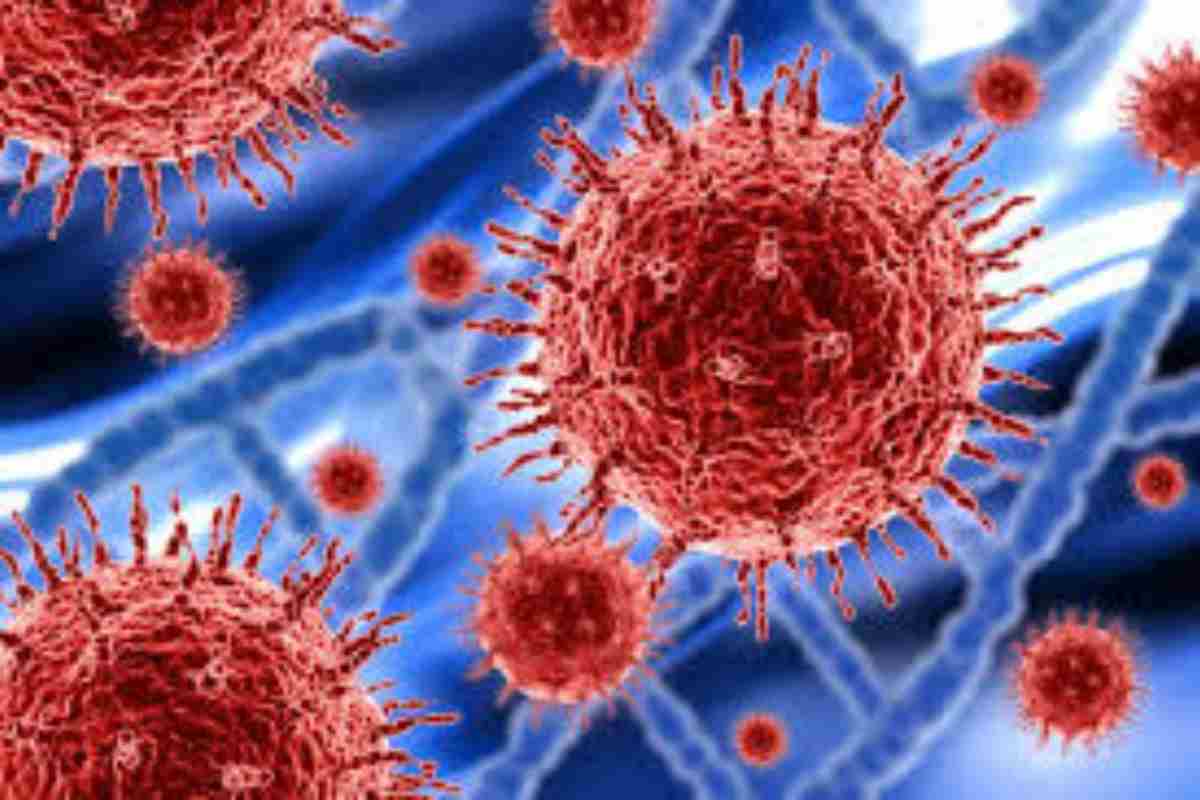
Virus diseases are sicknesses that happen when a virus gets into our body and changes the way our cells do things. You can think of a virus like an unwanted guest. This guest will not bring any food or help out with anything, but will take over your house anyway.
What makes virus diseases tricky is that:
-
They spread fast
-
They don’t always show symptoms right away
-
Some are mild, some can be serious
We all deal with them at some point—whether it’s a common cold or something more intense.
Table of Contents
How Virus Diseases Spread (This Is Where Most of Us Slip Up)
This is the part most people underestimate. Virus diseases don’t need much effort to spread.
Common ways viruses spread:
-
Air droplets from coughing or sneezing
-
Direct contact, like handshakes or hugs
-
Contaminated food or water
-
Mosquito bites
-
Unprotected sex or blood contact
I used to think, “I wash my hands, I’m good.” Turns out, it’s not always that simple.
Diseases Caused by a Virus
Viruses are very small germs that can only live and grow inside living cells. The virus can spread very easily by air, water, food, blood, or by touching others. People of all ages can get these. The sicknesses caused by viruses can be mild like a cold or more serious and last longer like HIV/AIDS or COVID-19.
Knowing which diseases a virus can cause is good for early spotting, stopping, and the right care. The table below gives clear and detailed information to help make this topic easy to understand.
Common Diseases Caused by a Virus
| Viral Disease | Causative Virus | Mode of Transmission | Common Symptoms | Prevention Methods |
|---|---|---|---|---|
| Common Cold | Rhinovirus | Air droplets, contact | Sneezing, runny nose, sore throat | Hand hygiene, masks |
| Influenza (Flu) | Influenza virus | Air droplets | Fever, cough, body aches | Annual flu vaccine |
| COVID-19 | SARS-CoV-2 | Air droplets, close contact | Fever, cough, loss of taste | Vaccination, masks |
| Dengue Fever | Dengue virus | Mosquito bite | High fever, joint pain | Mosquito control |
| Chickenpox | Varicella-zoster virus | Air/contact | Itchy rash, fever | Vaccination |
| Measles | Measles virus | Air droplets | Rash, fever, cough | MMR vaccine |
| Hepatitis B | Hepatitis B virus | Blood, body fluids | Jaundice, fatigue | Safe sex, vaccination |
| HIV/AIDS | Human Immunodeficiency Virus | Blood, sexual contact | Weak immunity, infections | Safe practices, screening |
| Polio | Poliovirus | Contaminated food/water | Paralysis, fever | Polio vaccine |
| Rabies | Rabies virus | Animal bite | Fever, confusion | Vaccination, wound care |
What Are Viral Diseases?
Viral diseases happen when viruses get into the body and change the way cells work. Antibiotics do not work on viral infections. They only help with bacterial ones. For viral infections, treatment is usually meant to help with the symptoms, make the body’s defense system stronger, or use antiviral medicine when it can.
How Viral Diseases Spread?
Virus-induced diseases may be transmitted in a number of ways:
- Aerosol infection by coughing or sneezing.
- Close relation with infected persons.
- Transmission through vectors, e.g. mosquito bites.
- Body fluids and blood such as unprotected sex or sharing needles.
- Hygiene and awareness also play a major role in mitigating the chances of being infected.
Infection Control and Prevention of viral diseases.
It is easy to prevent viral infections as opposed to treating them. The major preventive actions involve:
- Getting vaccinated on time
- Maintaining hand hygiene
- Poison avoidance: it is advisable to avoid having contact with infected people.
- Using safe food and water
- Mosquito and other disease vectors control.
Viral diseases are widespread and are capable of attacking anybody all over the world. Some viral diseases are mild whereas some are severe or life threatening unless taken care of. Early diagnosis, prevention, and awareness, such as vaccination is crucial to lowering the transmission of viral diseases and safeguarding civilians.
Common Virus Diseases You’ve Definitely Heard Of
Let’s talk about some well-known virus diseases, the kind that come up in daily conversations or news headlines.
COVID-19
This one changed how all of us live. COVID-19 affects the lungs mainly, but it doesn’t stop there.
Common symptoms:
-
Fever
-
Cough
-
Loss of taste or smell
-
Fatigue
Some people barely felt sick. Others struggled hard. That’s what made it scary.
Influenza (Flu)
People often say, “It’s just the flu.” But influenza is still a serious virus disease.
Watch for:
-
Sudden fever
-
Body aches
-
Chills
-
Weakness
It spreads fast, especially in crowded places.
Dengue
If you live in a warm climate, dengue is not new to you.
Symptoms include:
-
High fever
-
Severe headache
-
Joint and muscle pain
-
Low platelet count
Mosquito control plays a huge role here.
HIV
HIV is a long-term virus disease that affects the immune system.
Important facts:
-
It doesn’t spread through casual contact
-
Early testing saves lives
-
Treatment helps people live long, healthy lives
Education matters more than fear with this one.
Virus Diseases vs Bacterial Diseases (Quick Clarity)
I used to mix these up all the time. Here’s the simplest way to remember:
-
Virus diseases: Antibiotics don’t work
-
Bacterial diseases: Antibiotics can help
That’s why doctors often say, “It’s viral, just rest.” Annoying, yes—but usually true.
Early Symptoms of Virus Diseases You Shouldn’t Ignore
Not every fever is serious, but some signs deserve attention.
Look out for:
-
Fever that doesn’t improve
-
Extreme tiredness
-
Breathing trouble
-
Persistent vomiting
-
Skin rashes
Trust your instincts. If something feels off, it probably is.
Why Virus Diseases Feel So Random
This part frustrates people the most. One person recovers in two days. Another takes weeks.
Reasons include:
-
Immune strength
-
Age
-
Existing health issues
-
Type of virus
I’ve seen two people in the same house react completely differently to the same virus.
How Doctors Diagnose Virus Diseases
Most diagnoses are based on:
-
Symptoms
-
Blood tests
-
Swab tests
-
Imaging (in some cases)
Not every virus disease needs a test. Sometimes rest and observation are enough.
Treatment Options for Virus Diseases (What Actually Helps)
Let’s clear a big myth: there is no single cure for all virus diseases.
Treatment usually focuses on:
-
Rest
-
Fluids
-
Fever control
-
Antiviral medicines (only for some viruses)
Your body does most of the work. Medicine supports it.
Home Care Tips I Actually Follow During Viral Illness
These simple habits made a real difference for me:
-
Drink water like it’s your job
-
Sleep more than usual
-
Avoid junk food
-
Don’t self-medicate with antibiotics
-
Stay isolated if contagious
Simple, boring—but effective.
How to Prevent Virus Diseases in Daily Life
Prevention isn’t about fear. It’s about habits.
Easy prevention steps:
-
Wash your hands often
-
Avoid touching your face
-
Keep a distance during outbreaks
-
Use mosquito repellents
-
Practice safe sex
-
Keep vaccinations up to date
You don’t need to be perfect. Just consistent.
Virus Diseases and Immunity: What Really Helps?
Everyone talks about “boosting immunity.” Here’s what actually helps:
-
Balanced meals
-
Enough sleep
-
Light exercise
-
Stress control
No magic drink. No overnight fix.
Virus Diseases in Children and Older Adults
These groups need extra care.
Children may show:
-
Irritability
-
Poor appetite
-
Fever
Older adults may show:
-
Confusion
-
Weakness
-
Fewer obvious symptoms
Early care matters a lot here.
Mental Stress Caused by Virus Diseases (We Don’t Talk About This Enough)
Being sick isn’t just physical. It messes with your head.
-
Fear of spreading it
-
Anxiety from isolation
-
Stress from missing work
Talking about it helps. Resting without guilt helps too.
When You Should Definitely See a Doctor
Please don’t wait if you notice:
-
Breathing difficulty
-
Chest pain
-
High fever for many days
-
Dehydration
-
Sudden worsening of symptoms
Online advice has limits. Real doctors matter.
My Honest Take on Living With Virus Diseases Around Us
Virus diseases aren’t going anywhere. That’s the truth. But panic isn’t the answer either.
What works is:
-
Awareness
-
Smart habits
-
Timely care
Life goes on. We adapt.
Common Myths About Virus Diseases (Let’s Bust Them)
-
Cold weather causes viruses
-
Antibiotics cure viral fever
-
Healthy people don’t get virus diseases
Reality check: anyone can get sick.
Virus Diseases and Travel: What I Keep in Mind
When traveling, I:
-
Carry sanitizer
-
Avoid crowded spaces if sick
-
Stay hydrated
-
Eat safe food
Small steps save big trouble.
Final Thoughts on Virus Diseases
Viral diseases are now a part of life. We cannot avoid them. The aim is not to feel afraid, but to know more. When you learn how these illnesses spread, show up, and what you can do to stay safe, you feel less worried and more sure about handling them.
Also Read: Inhealthfitness.com