
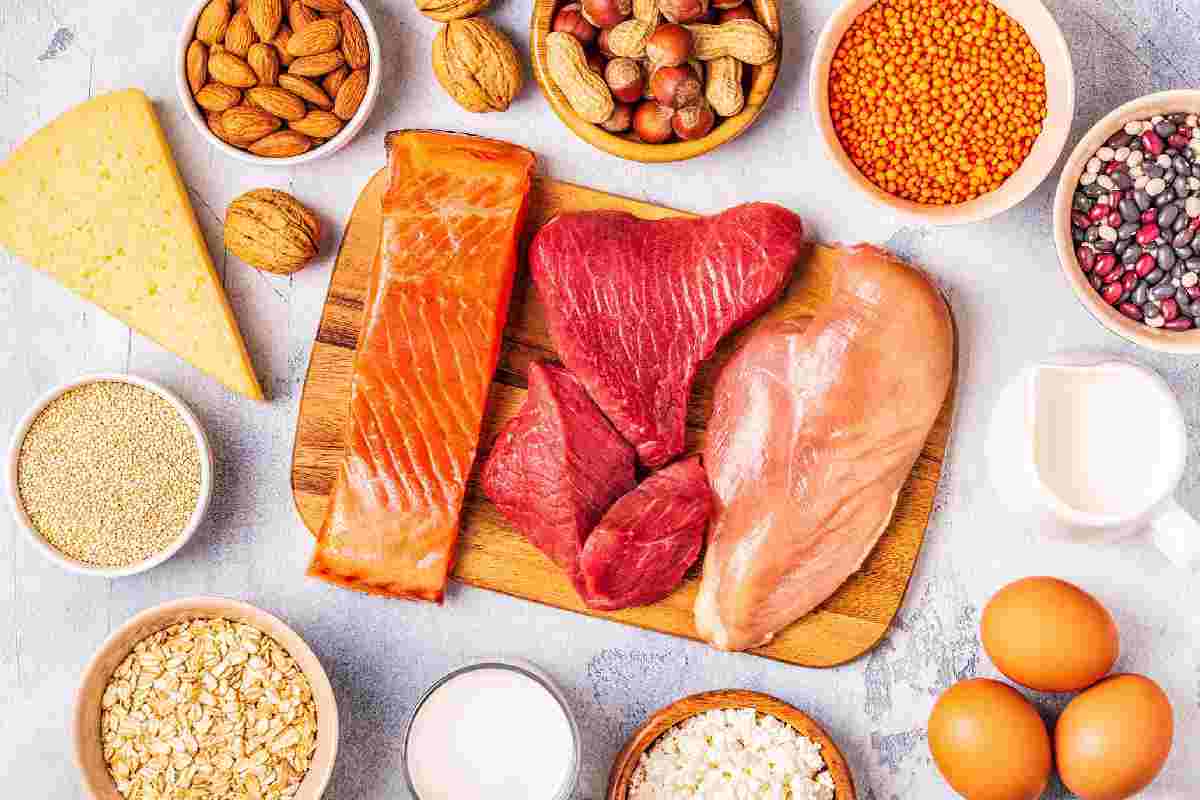
I used to think protein meant grilled chicken, protein shakes, and a personality change. Turns out, getting more protein in your diet is way simpler—and way more realistic—than the internet makes it seem.
This is me sharing what actually works, the stuff I do in real life, not what looks good on a fitness reel. If you want 5 ways to get more protein in your diet without hating your meals or your life, let’s get into it.
Table of Contents
Why Most People Fall Short on Protein (Without Realizing It)
Before we jump into the how, here’s the honest truth:
Most people aren’t trying to eat low protein—it just kind of happens.
Common reasons I see:
- Breakfast is basically carbs + caffeine
- Lunch is rushed and snack-heavy
- Dinner has protein… but not much
- Protein feels like “extra work”
Why Most People Fall Short on Protein (Without Realising It)
| Reason | What’s Happening | Why It Leads to Low Protein Intake |
| Overreliance on Carbs | Meals are centred around rice, roti, bread, or pasta | Carbohydrates fill you up but contribute very little protein |
| Skipping Protein at Breakfast | Breakfasts are often tea, toast, cereal, or fruit | Starting the day without protein lowers total daily intake |
| Underestimating Protein Needs | People assume small amounts are enough | Actual requirements are higher for adults, elderly, and active individuals |
| Vegetarian Diet Misconceptions | Belief that vegetables alone provide sufficient protein | Many plant foods are low in complete protein |
| Fear of Weight Gain | Protein foods are wrongly seen as “fattening” | Leads to avoidance of eggs, dairy, meat, or legumes |
| Portion Size Confusion | Consuming very small servings of protein foods | Portions often don’t meet recommended protein levels |
| Lack of Nutrition Awareness | Labels and protein content are not checked | Hidden low-protein meals go unnoticed |
| Busy Lifestyles | Reliance on quick, processed foods | Convenience foods are usually low in quality protein |
| Poor Protein Distribution | Protein eaten only at dinner | Body absorbs and uses protein better when spread across meals |
| Age-Related Appetite Loss | Older adults eat less overall food | Protein intake drops faster than calorie intake |
| Limited Food Variety | Repeating the same meals daily | Reduces exposure to diverse protein sources |
| Digestive Issues or Preferences | Avoiding certain protein foods due to discomfort | Leads to unintentional protein gaps |
Protein quietly matters for:
- Staying full longer
- Muscle strength (even if you don’t lift)
- Stable energy
- Better recovery
- Supporting metabolism
And no, this isn’t about bodybuilders. This is about normal humans who don’t want to feel tired and hungry all the time.
-
Build Every Meal Around a Protein Anchor
This one habit changed everything for me.
Instead of asking “What am I eating?”
I started asking: “Where’s the protein?”
That protein becomes the anchor of the meal—the main part that everything else supports.
What a Protein Anchor Looks Like
A protein anchor can be:
- Eggs
- Lentils or dal
- Chickpeas or beans
- Paneer or tofu
- Fish or chicken
- Milk or Greek yogurt
Once the anchor is in place, carbs and fats naturally fall into balance.
Table: Simple Protein Anchors by Meal
| Meal | Protein Anchor | Easy Pairings |
| Breakfast | Eggs, yogurt, paneer | Toast, fruit |
| Lunch | Dal, chickpeas, chicken | Rice, roti |
| Snack | Yogurt, boiled eggs | Nuts, seeds |
| Dinner | Fish, tofu, paneer | Veggies, grains |
You don’t need variety every day. Repeating meals is fine—and honestly, easier.
-
Fix Breakfast (That’s Where Protein Is Missing)
If breakfast is light on protein, the rest of the day becomes damage control.
I used to skip protein in the morning because:
- I wasn’t hungry
- I was rushed
- I thought lunch would “balance it out”
It rarely did.
Protein-Friendly Breakfasts That Don’t Feel Heavy
No fancy recipes here—just real food.
- 2 eggs + toast
- Greek yogurt + nuts + fruit
- Paneer bhurji + roti
- Leftover lentils from dinner
Even a small amount of protein in the morning helps more than skipping it entirely.
Why Protein at Breakfast Helps
From experience:
- Fewer cravings by mid-morning
- More stable energy
- Less overeating later
Breakfast doesn’t need to be big. It needs to be balanced.
-
Snack With Protein, Not Just Convenience
Snacking isn’t bad.
Low-protein snacking is.
Most snacks are:
- Fast
- Carb-heavy
- Gone in five minutes
Which is why hunger comes right back.
Protein Snacks I Actually Rely On
These are simple and realistic:
- Boiled eggs
- Greek yogurt or curd
- Roasted chickpeas
- Peanuts or mixed nuts
- Milk or buttermilk
They don’t look fancy—but they work.
Table: Smart Protein Snack Swaps
| Instead of This | Choose This | Why It’s Better |
| Biscuits | Boiled eggs | Longer fullness |
| Chips | Roasted chickpeas | Crunch + protein |
| Sweet yogurt | Greek yogurt | Higher protein |
| Fruit alone | Fruit + nuts | Balanced energy |
Snacks are one of the easiest ways to sneak more protein into your diet without changing meals.
-
Eat More of the Protein You Already Have
You probably already eat protein—you’re just not eating enough of it.
Most plates look like this:
- Big carbs
- Moderate veggies
- Small protein
The fix isn’t replacing foods.
It’s adjusting portions.
Easy Portion Tweaks
- Slightly more dal, slightly less rice
- Extra egg, same toast
- Bigger paneer serving, fewer fried sides
Small changes add up fast.
Table: Portion Shifts That Increase Protein
| Current Plate | Better Balance |
| 70% rice, 30% dal | 50% rice, 50% dal |
| 1 egg omelette | 2–3 egg omelette |
| Paneer as a side | Paneer as the main |
If protein looks like a side dish, it’s probably not enough.
-
Combine Protein Sources for Better Results
Protein doesn’t have to come from one food.
In fact, combining sources makes it easier to eat enough—especially if you’re a vegetarian.
Protein Pairing Examples
- Dal + curd
- Paneer + lentils
- Beans + yogurt
- Eggs + milk
- Nuts + yogurt
This “protein layering” approach helps you hit higher intake without force-feeding yourself.
Table: Easy Protein Combos
| Base Food | Add-On | Result |
| Rice + dal | Bowl of curd | Extra protein |
| Toast | Peanut butter | Better balance |
| Salad | Chickpeas | More filling |
| Fruit | Greek yogurt | Snack upgrade |
No tracking required. Just smarter combinations.
How Much Protein Do You Really Need?
This is where the internet gets loud.
Instead of chasing exact numbers, I focus on:
- Protein at every meal
- Protein in at least one snack
- Feeling full and steady
If you’re less hungry, more energised, and recovering well, you’re likely doing fine.
Consistency matters more than precision.
A Realistic Day of Protein (No Supplements)
Here’s what a normal day might look like using these ideas:
Breakfast
Eggs + toast
Snack
Greek yoghurt + nuts
Lunch
Dal + rice + vegetables
Snack
Roasted chickpeas
Dinner
Paneer or fish + veggies
Nothing extreme. Just intentional.
Signs You’re Getting Enough Protein
I stopped guessing and started noticing patterns.
When protein intake improved, I felt:
- Fuller between meals
- Fewer sugar cravings
- More stable energy
- Better recovery
Table: Low vs Adequate Protein Signals
| Low Protein | Adequate Protein |
| Constant hunger | Full between meals |
| Energy crashes | Steady energy |
| Frequent snacking | Fewer cravings |
| Slow recovery | Faster recovery |
Your body gives feedback—quietly but clearly.
Common Protein Myths (Quick Reality Check)
“Protein is only for gym people.”
No. It’s for daily strength, energy, and health.
“Vegetarian diets lack protein.”
They don’t—protein just comes from multiple sources instead of one.
“Protein is complicated.”
It’s only complicated online. In real life, it’s just eating enough of what you already eat.
Conclusion
At the end of the day, 5 ways to get more protein in your diet isn’t about hacks or trends.
It’s about:
- Choosing a protein anchor
- Fixing breakfast
- Snacking smarter
- Eating protein first
- Keeping it simple on busy days
Do this consistently, and protein stops being something you “track” — it just becomes part of how you eat.